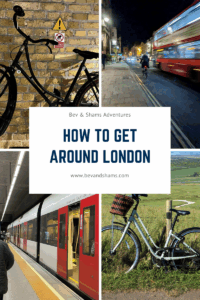
Have you ever stared at the London Underground map and been completely puzzled about its complexity? But then you consider other methods of transport that will get you around London, but still confused?
We spent a couple of years living in London, and it’s actually really easy to navigate.
And we’re going to share our smartest ways to use public transport and when not to, how to save money with travel cards and the Oyster, and real local tested ways to get from A to B with zero hassle.
You don’t need to be a local to get around London, you just need the right information.
This post may contain affiliate links. Meaning that if you purchase through them, we may earn a small commission at no extra cost to you. This helps support our website and allows us to continue providing valuable content. We only recommend products and services we personally use and trust. Read our full disclaimer here.
Understanding London’s transport network
Ok, to fully understand how London’s transport system works, we need to step back a bit and break it down.
TFL, also known as Transport for London, runs nearly every type of public transport, such as the London Underground, buses, Overground, trains and even the river buses along the Thames.
Once you have grasped how the network connects, then everything else will come together.
London zones explained
London is divided into nine zones, with Zone 1 covering the city center, including Westminster, Soho, and Covent Garden.
From there, the zones fan out the further you go away from the city, all the way out to Zone 9, which is the outermost suburbs.
If this is your first time visiting London, it’s likely that you’ll only really focus on Zones 1-2 as this is where most of the top tourist attractions are.
If you have visited London multiple times, you may wish to visit destinations a little further out, including Wembley, Richmond, Wimbledon and Greenwich, then you’ll cross into Zones 3-4.
Heathrow Airport is in Zone 6.
Fares will depend on how many zones you travel through. If you travel into Zone 1, you’ll be charged the maximum fare of £2.90 for a single. While travelling in Zones 4-6 will cost around £2.10 for a single.
If you take multiple journeys on the London Underground, there is a cap of £8.90 within Zone 1-2. And further caps within a 24-hour period, the further the zones you use.
Need more information on fares for the London Underground and caps, then visit TFL official website.
Peak and off-peak travel
Travel times matter when it comes to your finances.
During peak hours of 6:30-9:30 am and 4-7pm on weekdays, the city is packed with commuters and higher fare prices.
To save money and crowds, try to plan your transport outside of these hours.
Best travel cards to use in London
It is possible to buy a paper travel card, but in our honest opinion, it really isn’t worth it. Let’s face it, they’re old skool.
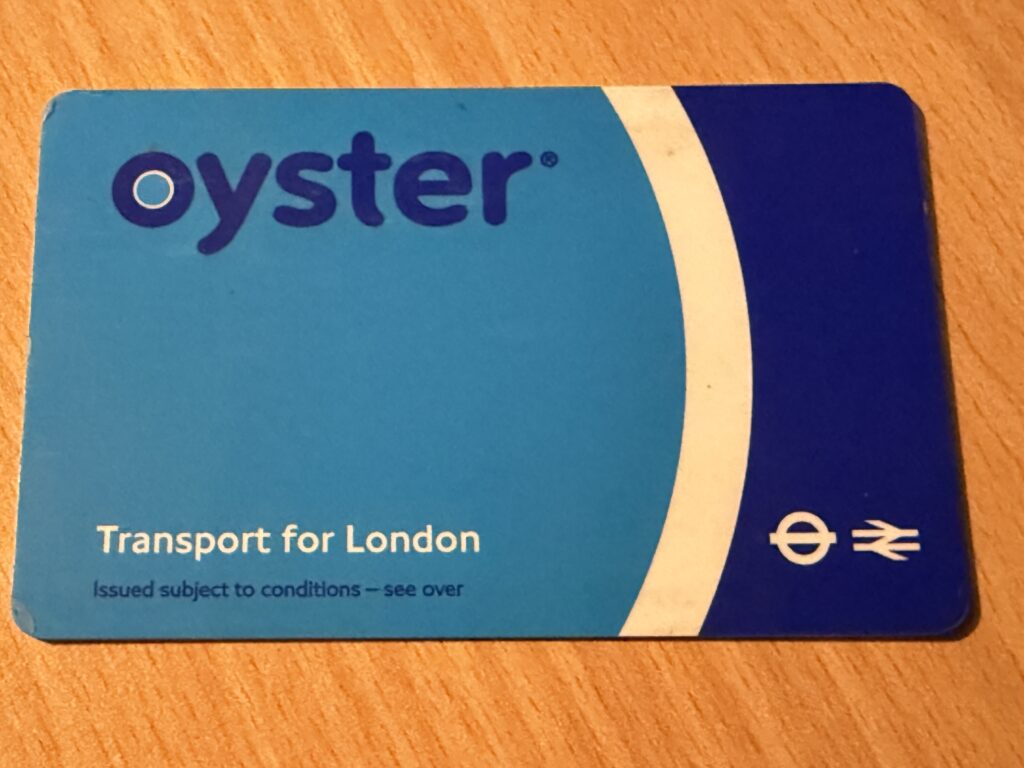
The most affordable way to pay for travel in London is with an Oyster Card or a contactless card.
It’s very simple. You just tap in and out on any transport option that has the yellow reader and off you go. TFL, will then automatically charge you for the fare.
If you are on a short visit, you can grab an Oyster Card from most machines. It’s just a deposit of £5 and providing you return the card, you’ll get the deposit back.
If you are from the UK, you can either obtain an Oyster Card, as it never expires, or your contactless card.
With both options, there is a daily cap, meaning you’ll never pay more than a set limit no matter how many times you travel on that day.
Now, if you forget to tap out at any of the stations, then TFL will calculate the daily cap and charge your card. With that in mind, you should always tap in and out at any train or Tube station.
Best travel apps to help you navigate London
There are some amazing apps and tools that will help you navigate London with ease.
We would recommend:
- Citymapper – will help you navigate the best routes, via public transport in London. You can check out their website or download the app here.
- TFL – Transport for London official website has everything you need to help you plan how to get around London, including transport fares, caps and map of the London Underground. You can check out the TFL website here.
- Google Maps – you should already have experience with using Google Maps, but if not, Google Maps is a fantastic way to bring navigating a new city with ease.
- National Rail – This is your one stop shop for planning your train travel around the UK. You can plan your route, book train tickets and check for any major disruptions and more. Plan your route and book tickets via the official National Rail website.
- National Express – This is your one stop shop for planning your bus travel around the UK. National Express coaches don’t just connect London Airports with the city, but you can travel via National Express to most towns and cities in the UK. You can plan your route, book bus tickets, and more. Plan your route and book tickets via the official National Express website.
How to use the London Underground
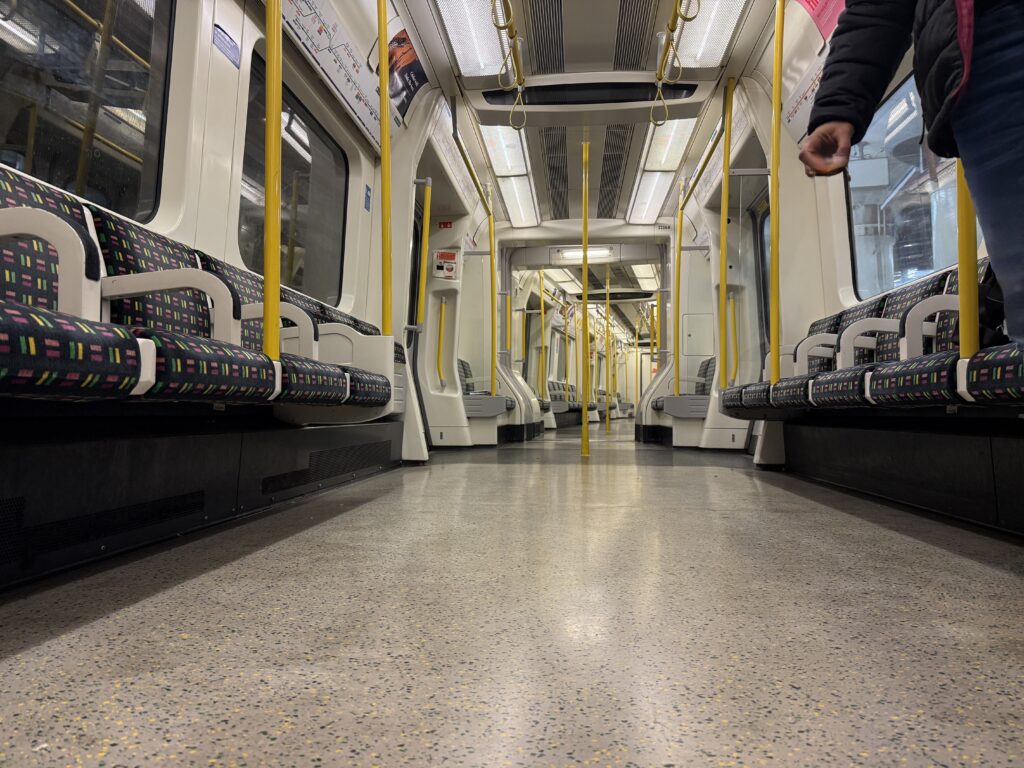
The London Underground, or locals call it the Tube, is a network of 11 Tube Lines that run across around 270 stations, in and around London.
The Tube is frequent, reliable, fast, and covers almost every corner of the city. You really do not need to drive, with public transport readily available.
How does the Tube work?
It is very easy to use.
Simply tap your payment card at the barrier, hop on, and tap out when you reach your destination.
Trains run between every 3-15 minutes, so you don’t need to wait long for the next train.
What makes it look complex are the different colour coded Tube lines. But each colour represents a different line.
Some lines connect between stations, while others don’t. For example, Waterloo Underground Station connects with the Jubilee line, Northern Line, Bakerloo Line, and National Rail. While Covent Garden is on the Piccadilly Line only.
Planning your route and knowing which line to take will save you a ton of time.
These are some of the useful lines to consider helping you navigate London.
Red – The central Line, runs from East to West, including Notting Hill, Oxford Circus for Oxford Street and St Paul’s for St Paul’s Cathedral.
Dark blue – The Piccadilly Line connects London Heathrow with central London including Leicester Square and Covent Garden.
Silver/grey – The Jubilee Line runs between Northwest London with East London, stopping in Westminster, London Bridge, Canary Wharf and Greenwich.
How to read the Tube map
Each colour represents a different line, which defines the route it will take around London. The white or blue circles show connections between each line.
The circles with the wheelchair sign, supports wheelchair access by lifts to different platforms.
So as an example, you can switch between the Jubilee with the Central and District Lines at Westminster.
Pro tip: We’d recommend downloading Citymapper and Google Maps to help you navigate the best routes to take to get you from point A to point B.
Tips for using the Tube
We’d recommend avoiding peak times, especially during rush hour. I’ve done commuting to London for a short time, and it isn’t a joke how busy the platform and the train get.
If you don’t mind being pushed about, trying to get onto a packed tube, then go for it, but to avoid the hustle, travel after 9:30am or before 4pm.
It is an unspoken rule, that when travelling on escalators, that you should stand on the right hand side. The only exception to this is if you are walking up or down the moving escalators. If not, then stand still on the right.
Always let the passengers off the train, before stepping on.
Don’t block the doors or try to open a door as the train departs. Not only will this delay it but could cause you or someone else injury.
If you have missed the train, then wait for the next one; you won’t be waiting long. And move any of your belongings away from the closing door, so the doors can close without issue or delay.
Always offer your seat to someone who needs it. Especially in priority seating areas.
Getting around London via bus
London’s bus network is huge, reliable and honestly one of the most underrated ways to explore the city. This comes from a couple that rarely use the bus in London. We prefer to use the Tube.
Let’s face it; you’re missing all the incredible sights that you could be seeing from a bus that travels above ground.
So, rather than head underground, why not include a red double decker bus experience into your London itinerary.
How to use the London buses
While there isn’t a specific map for the buses, or colour codes for the different routes, unlike the London Underground.
Instead, buses are defined by the number for a specific route.
Every bus stop in London and across the UK has a sign with the name of the bus stop, the route number and a map showing where the route goes.
To plan your route, just head over to Citymapper or Google Maps and enter the departure point and arrival point, to instantly see the whole journey.
Pro tip: Don’t forget to signal to the bus that you want to get on, by raising your hand. Buses may not always stop, unless someone indicates for it to do so.
Tips for travelling via bus
Buses are cheaper at £1.75 for pay as you go and just like the tube, they have a daily cap of £5.25.
The best part is that you can use your contactless card or Oyster, just as you would on the London Underground. Just tap the yellow machine on the bus and it will automatically charge you for the fare.
When you come to leaving the bus, you don’t need to tap out.
If you are planning a late night in London, then don’t worry, many routes offer a 24-hour service. So, you shouldn’t need to use a taxi in most situations.
Best bus routes to take
There are a few key buses and routes you could take.
We’d recommend the following:
- London big bus hop on hop off – This popular London bus company will drive around the main sights of London and at any point, you can hop off the bus and hop back on when you’re ready. Plus, an audio guide, with interesting facts about each iconic landmark. You can choose between 1 day, 24, or 48 hours. This is an excellent opportunity if you would like to learn more about London at a more leisurely pace. You can upgrade your experience to a free walking tour in London and a Thames River Cruise. You can find out more and book tickets through Get Your Guide.
- Bus route 15 – this is a classic route around London, covering the likes of Tower of London, St Paul’s Cathedral, The Strand and Trafalagar Square.
- Bus route 9 – Another classic route, that Routemaster double-decker bus, passes through the West End, and Kensington High Street.
Using trains and the Overground
While for many the tube is the ideal way to get around London, the city’s National Rail, Overground and DLR (Docklands Light Railway), helps to keep the city and the rest of the country connected.
They’re fast, reliable, and super easy to use.
But what are the differences between them all?
DLR
The DLR is an automated, driverless train system, which is super weird the first time you use them. But a fantastic way to explore east and southeast London, including Greenwich, Canary Wharf, Stratford and the London City Airport.
If you’re exploring the offbeat paths of London, then the DLR is the best option.
The Overground
Now don’t get this confused with the Tube or National Rail, as it is a little different.
The London Overground is a network of lines that cover the outskirts of the city center. It connects areas such as Wembley, Richmond, Hackney, Shoreditch and Clapham.
When I lived near Wembley and worked in Chiswick, I would catch the London Overground from Willesden Junction to Gunnersbury daily. It was convenient, as I didn’t need to travel to central London.
National Rail
National Rail connects London with most major towns and cities in Great Britain and Europe.
If you plan to take a day trip from London to Brighton, Windsor, Cambridge, and Oxford, then National Rail is a suitable option.
You can also travel via National Rail, if you’re visiting some neighbourhoods on the outskirts of London, that the Tube doesn’t cover.

Tips for using trains and the London Overground
We’d recommend travelling by train or London Overground, if there are no Tube or bus services to your destination, or for longer journeys. Especially for day trips from London.
Avoid travelling during peak times; you’ll find less crowds and cheaper tickets.
Oyster and contactless cards do not work outside London. A National Rail travel ticket will need to be purchased. You can purchase these online in advance, for more affordable prices, or at a National Rail Station.
Taxis, Uber and Ride Sharing
In our opinion you don’t really need to use a taxi, Uber or ride sharing to get you around London. That said, there might be occasions where public transport just doesn’t cut it, especially if you are travelling at night, carrying luggage, or heading somewhere the Tube doesn’t reach.
This is where you could consider using one of London’s famous black cabs, Uber, or Bolt.
Each has their pros and cons and knowing when to use them could save you some time and money.
Black cabs
These are iconic, but not the cheapest method of getting around. Although the cabs are fully licensed and incredibly knowledgeable, to the point that black cab drivers MUST pass the knowledge test. They can drive in the bus lane, which makes them fast in traffic.
They are metered, reliable, and great when you need peace of mind.
You can hail a black cab from the side of the street, as long as they have the yellow “taxi” light on.
Ride sharing apps
Uber and Bolt are usually cheaper alternatives to the black cab and easy to book via an app.
You can even compare prices before confirming the ride, which comes in handy if you want to save some money.
You can only book a taxi via their app or website, sadly you’re unable to hail them from the street.
When is it worth using a taxi
Travelling via taxi is only really worth it if you’re travelling
- With large luggage and don’t want the hassle of taking it on public transport.
- If you’re part of a large group, it will be worth booking a taxi so you can split the cost between travellers.
- At night and the night bus doesn’t cover the destination.
- When you want to travel direct, stress free
Cycling around London
Cycling is underrated for London compared to other European countries we have visited, such as Spain, where cycling is very popular among locals and tourists.
That said, there are dedicated cycle lanes and easy access to hire bikes. It’s also cheap and a flexible way to explore the city without squeezing onto the Tube.
So, do something different in London and hire a bike.
The most popular bike hire option is the Santander Cycles, also known by locals as the Boris Bikes.
You’ll find docking stations across central London, and bikes are free for the first 30 minutes and then a fee thereafter.
This is a unique sightseeing experience and ideal for short distances.
You’ll also see other bike hires available from Lime.
These don’t require docking, but to unlock them, you do this via an app, purchase the relevant tariff, and ride.
When you’re finished, just leave them in a designated area.
Other alternatives are via Bikesbooking.com, where you can hire a bike or ebike for a day. You just need to pay a deposit and when you’re finished, return to the hire shop.
Bike safety tips
Cycling in London is easy, but there are some basic rules to keep you safe while on the road.
- Always stick to the appropriate cycle lanes whenever possible; they are clearly marked.
- Always wear a helmet, even if you don’t feel it is required.
- Always use the appropriate bike lights, especially at nighttime.
- Always be aware of your surroundings and especially watch out for other vehicles and pedestrians. You never know when they may move out into your path unexpectedly.
- Always follow traffic light signals. Not only are they there for your safety, but you should treat yourself as another vehicle on the road and road rules apply.
If you like to travel at your own pace, cycling gives you this and a different perspective on London, that many never see.
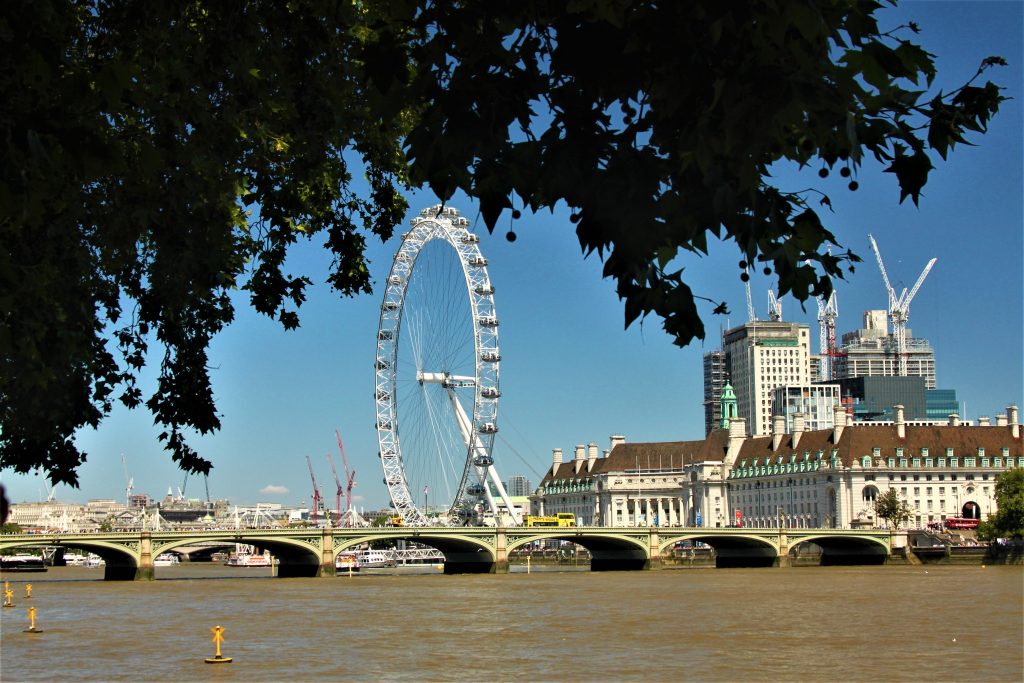
Walking around London
Why not skip the expense of public transport, when you can explore London on foot for free.
Taking to two feet, will allow you to explore some hidden gems along the way, such as tucked-away alleyways, hidden courtyards, our favourite is St Dunstans in the East, or bustling markets and beautiful riverside paths.
You will miss way more going underground or taking a bus.
If you have the time, and the weather is good, walking is the best way to see the city.
We will always prioritise walking over public transport, but there are some exceptions.
So, when should you walk?
- If you are exploring neighbourhoods like Soho, Covent Garden, Notting Hill, etc. Want to discover the best neighbourhoods in London? We have a detailed guide that shares some of the best parts of London, offering a unique London experience.
- When attractions are just a couple of Tube or bus stops away
- If you want to soak up the atmosphere, take photos, grab a cuppa, or get off the beaten path
As many of the top tourist attractions in London are so close together, it can sometimes work to your advantage of walking, rather than taking a Tube or bus, especially if it involves changing Tube lines or buses.
Pedestrian safety tips
Although it is safe to walk in London, there are some small things to consider:
- Always look both ways, and at large junctions, in other directions. Traffic may come from somewhere you least expected.
- Use pedestrian crossings to safely cross the road. Traffic can be quicker than you think.
- Keep an eye out for cyclists, especially if you need to cross into dedicated cycle lanes. Sadly, they don’t always stop.
- Stick to well light areas at night, especially for solo female travellers.
- When checking for directions on your phone, hold it securely, especially in busy spots.
Walking is the best way to get around London. But planning your route around London will save you time and wasted transport journeys.
River taxi
This is a unique way of seeing some of London’s top tourist attractions but from the water.
It is a relaxed way of getting from point A to point B, but also, it’s way less crowded than a packed Tube.
How does the River taxi system work
The Thames Clipper is a ferry service that stops at piers between Putney and Barking Riverside.
Boats run frequently, and you can hop on for short or long trips along the River Thames.
You can take a River Taxi from most major piers including The London Eye, Westminster, London Bridge, Canary Wharf and Greenwich.
It’s well signposted, so it’s easy to find the stop along the river.
To pay for a journey, or multiple journeys, you can either pay via the Oyster, contactless payment, or by the ticket machines.
Prices start at £5.90 for a single on the Oyster/Contactless.
Single tickets start at £7.10.
For the latest ticket prices and timetables, you can check out the Thames Clipper official website here.
How to get between all London Airports and central London
London has six major airports, London Heathrow, Gatwick, Stansted, Luton and London City Airport.
Each airport connects to London in different ways.
If you are arriving at one of these airports, then you have these options to reach London.
London Heathrow
This is the largest of all airports in London and only a short distance from the city centre. Flights from across the globe land here, making this the busiest airport to arrive and depart from.
You may also see that flight prices are a little more expensive than if you were to arrive and depart from the other London airports.
So, if you are arriving and departing from London Heathrow, then you can get into London via:
Heathrow Express bus, arrives into London Paddington Station. Follow the signs to the bus station. Make sure you get on the bus that takes you to London. The journey is around 15 minutes.
The Piccadilly and the new Elizabeth Line are cheap and takes you into central London with ease. There is enough space for large luggage. As you arrive in London Heathrow, follow the signs to the London Underground. The journey time is around 30 minutes.
London Gatwick
Surprisingly London Gatwick is not actually in London, it’s just a short distance from Crawley in East Sussex.
Flights from across the globe land at London Gatwick Airport. Flights are a little more affordable.
The Gatwick Express or Southern trains, run from Gatwick Airport to Victoria. The journey time should take around 30 minutes.
On arrival, follow the signs for National Rail and take the train to London.
Stansted Airport
Nearly 40 miles outside London is London Stansted Airport.
Budget airlines from across Europe land at Stansted, with flights starting at as little as £30 one way.
We usually fly in and out of Stansted airport for most of our European journeys, making it an affordable option.
So, if you are flying from within Europe, there’re a few ways to reach the capital.
The Stansted express takes you into London Liverpool Street Station, with a journey time of around 50 minutes. Follow the signs at arrival, to National Rail and board the train for London.
National Express coaches takes you into London Stratford or London Victoria, with a journey time of around 2 hours. Exit arrivals and follow the signs to bus and coaches. Locate the National Express bus to London.
London Luton Airport
London Luton Airport is located around 35 miles outside of London and connects most of Europe with budget airlines.
If you are arriving at Luton, you could take the Thameslink to London. Journey times are just over one hour. On arrival, follow the signs for Thameslink.
Alternatively National Express coaches go to London Victoria and various other stops in central London. The journey is around one hour and 30 minutes depending on traffic.
London City Airport
This is the most centrally located airport in London, and probably the easiest. It’s just under 10 miles outside the city.
On arrival, make your way to the DLR, which connects with the Tube network.
Tips for late night or early morning arrivals.
If your flight arrives or is departing early in the morning, or late at night, there will be some logistics to navigate.
You’ll need to consider that not all Tubes and trains run 24 hours a day. You’ll need to consider alternative arrangements, such as National Express coaches, or the expense of a taxi.
The Piccadilly Line that connects with London Heathrow only operates a 24-hour service on a Friday and Saturday night. There are night buses that connect Heathrow with central London.
National Rail or other rail services do not run a 24-hour service. We would recommend choosing to travel to and from the airport via National Express.
Taxis are expensive. If you’re on a budget, you may need to either factor this into your travel budget or consider alternative options.
Budget tips for getting around London
We’re going to be realistic here. London is by far not the cheapest destination to visit, although there are ways you could save and cut back, so you can keep to that all important budget.
Walk
Walking is the best way to really experience a city, AND it’s completely free.
When you come to planning your London itinerary, you’ll want to choose attractions and sights that are within proximity. That way, you can walk between each destination, without using public transport, which will keep costs low.
Daily caps for contactless or Oyster Card
If you can’t avoid public transport, then the easiest way to save, is by using a contactless payment or an Oyster card, both automatically cap you daily and weekly spending.
Once you have hit the cap, you travel for free for the rest of the day within the same zones.
It is super easy and simple; it is just a case of tapping and going.
Need more ideas on how to set a realistic budget and ways to save money on travel to London? Then check out our detailed guide on how to set a budget for travel.
London Travel CostsDay trip ideas: getting out of central London
One of the best things about London is how easy it is to escape the city for a day.
Fast trains and affordable buses connect you with royal palaces, historic towns, riverside walks and ancient stones, all without the need for a vehicle.
Now, if you’re staying in London for more than a couple of days, we would highly recommend adding a day trip to your itinerary. It’s a great way to mix it up, and an opportunity to see more of the UK.
Need recommendations on your perfect day trip, then check out our full guide on best day trips from London.
Conclusion
London really isn’t difficult to get around, not when you understand how the city moves.
The essential things are that Tubes are a fantastic way to get around quickly and cheaply, while buses double as a sightseeing tour, airport transfers are well connected with London either via a bus or train, and that a contactless card or Oyster is the best method of payment.
More importantly, you understand and plan how you intend to get around. Because it isn’t about choosing the right train, or tapping a card and going, it’s about being organised, confident and prepared to explore the city how you want to.
London is massive, exciting, and full of surprises.
Continue your travel planning, with these useful posts:
- Where to stay in London
- Essential travel tips for visiting the UK
- Tips for driving in the UK for the first time
- Best parks in London
- Best places to visit in UK
- Best souvenirs from London to bring home
- A day trip to Canterbury from London
- A day trip to Oxford from London
- Day trip to Margate from London
- How to hike the Seven Sisters in Eastbourne